Research Focus
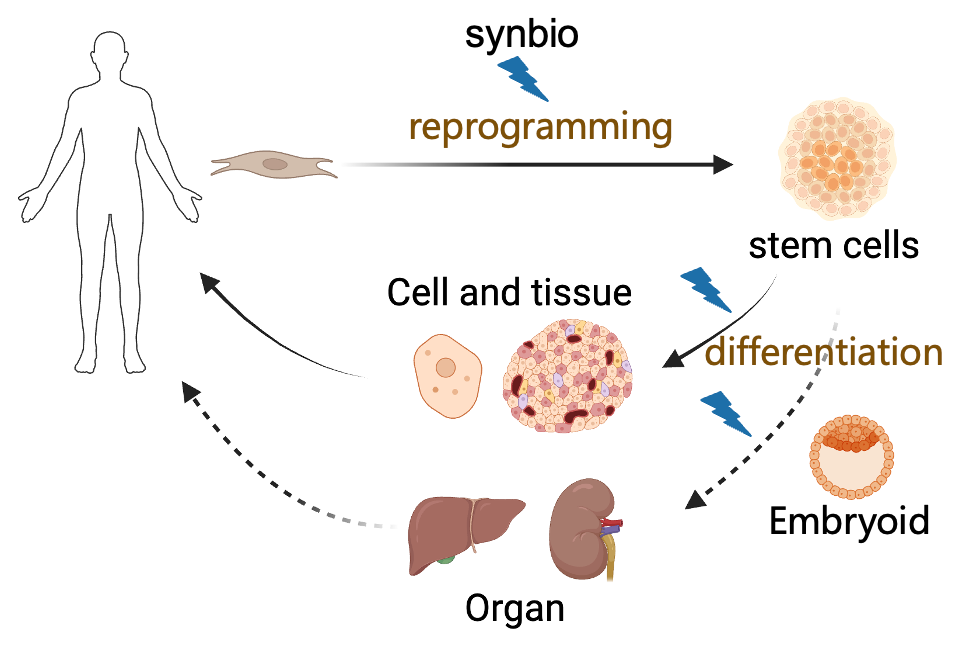
Cells are the fundamental units of life that form tissues and organs. Replacing malfunctioning or degenerative tissues or organs offers a promising path to restoring normal function and curing diseases once thought incurable. However, current cell and tissue therapies still face significant challenges.
At the Li Lab, we strive to overcome these barriers by enhancing cells and multicellular structures through synthetic biology. We engineer cellular systems to decode the principles of developmental biology and pioneer next-generation regenerative therapies. By integrating synthetic biology, stem cell culture, and 3D models, we develop innovative platforms for studying cell fate, disease mechanisms, and drug discovery.
More About Us

Our Projects
We are engineering synthetic structures, we aim to model implantation, lineage specification, and morphogenesis, offering powerful platforms for studying developmental disorders and advancing regenerative medicine.
Our Team
We are a vibriant and multidisciplinary team working together to solve challenging problems and develop therapeutics for human diseases!

Our Publications
We engineer cell fate. We reprogram somatic cells to a pluripotent, embryonic-like state. We transform stem cells into embryo models to uncover the fundamental principles of early development. We also generate functional cell types for applications in regenerative medicine.
Research
Lorem ipsum dolor sit amet, consectetur adipiscing elit, sed do eiusmod tempor incididunt ut labore et dolore magna aliqua. Ut enim ad minim veniam, quis nostrud exercitation ullamco laboris nisi ut aliquip ex ea commodo consequat.
Brief introduction
**stem cell and orgnanoids**
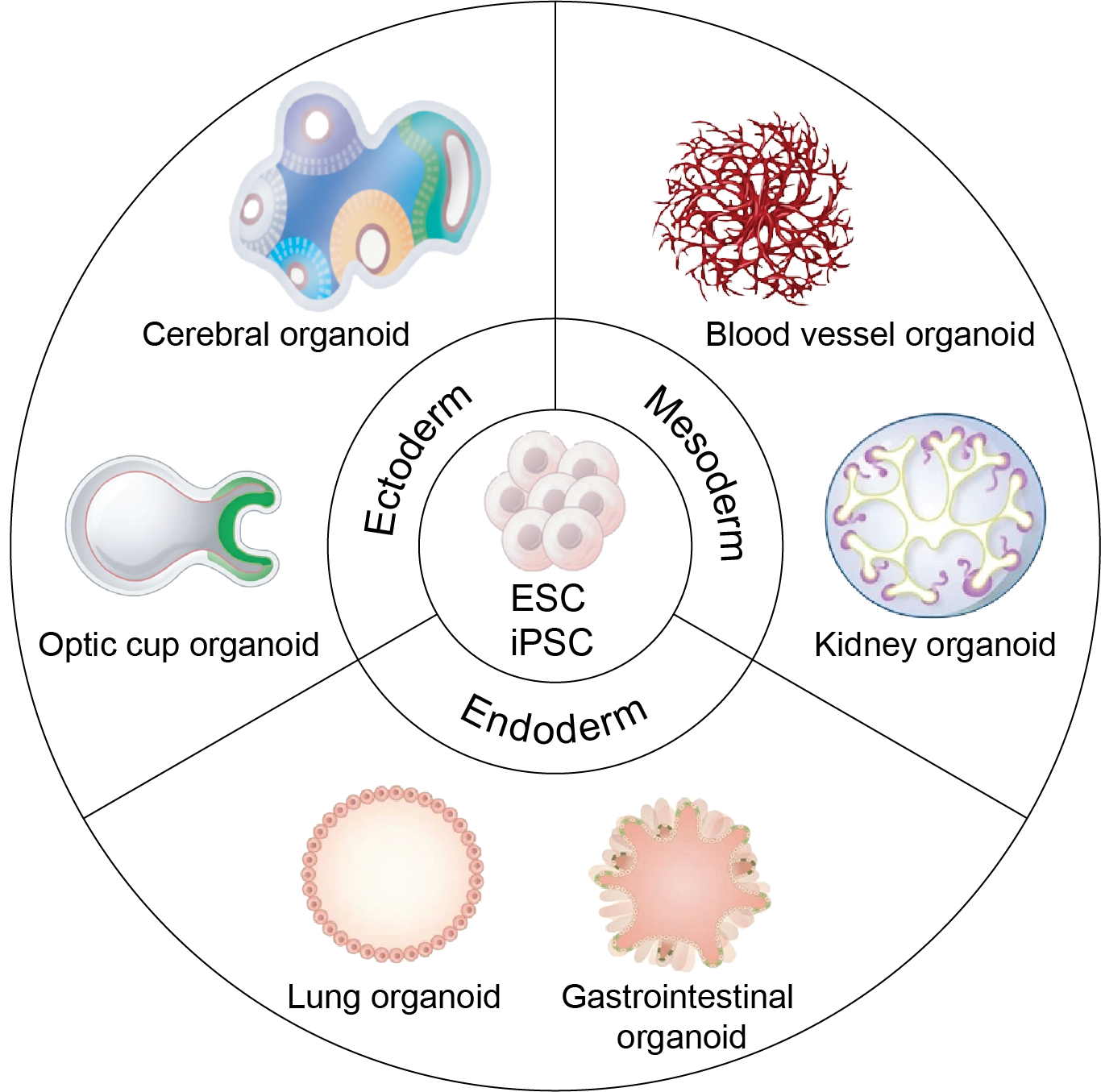
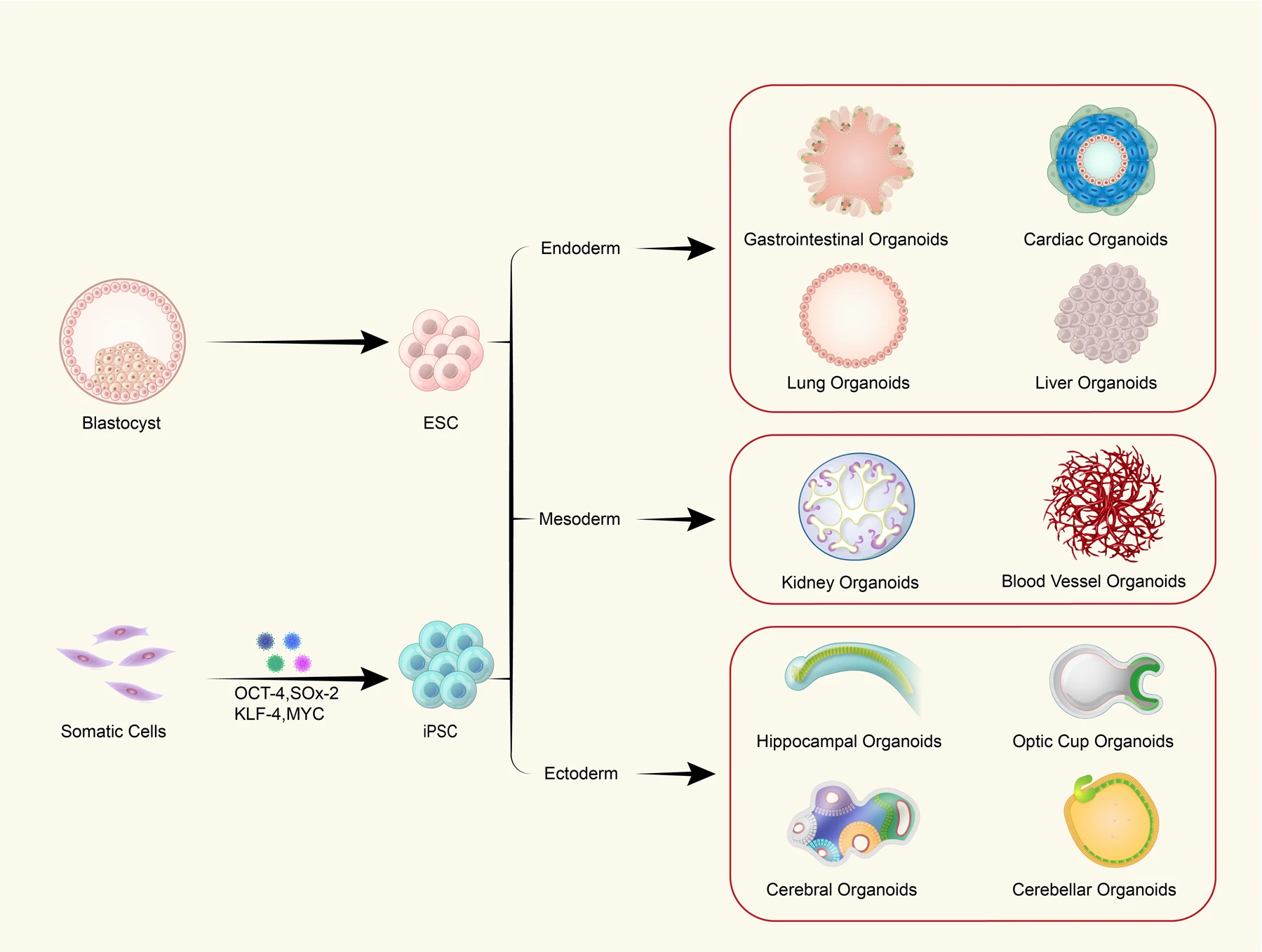
The vision of regenerative medicine starts with reprogramming patient’s own cells to induced pluripotent stem cells (iPSCs) that can then be differentiated into any cell type of interest. These cells can be undergoing differentiation in vitro to model human development in 3D organoids format and used for disease modeling and drug screening. Alternatively, these cells can be directly differentiated into specific cell types for cell therapy applications. Our lab is interested in understanding the molecular mechanisms that govern cell fate decisions during human development and leveraging this knowledge to improve the efficiency and safety of cell reprogramming and differentiation processes for regenerative medicine applications.
Projects
Tackle the heterogeneity of stem cell derived beta cells for cell therapy
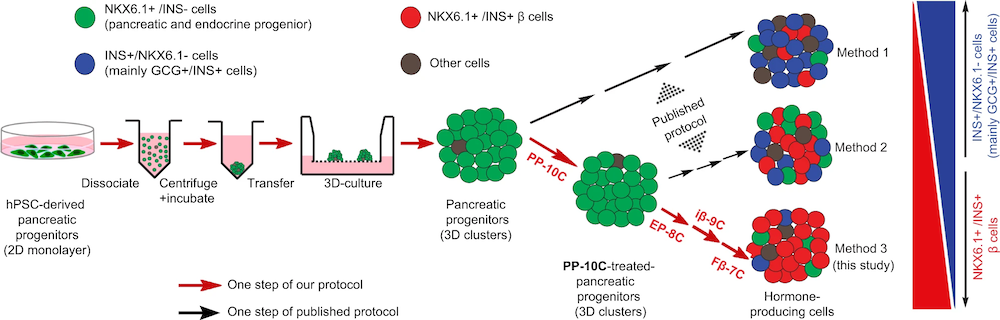
Stem cell derived beta cell holds great promise for treating type 1 diabetes. However, current differentiation protocols produce a heterogeneous population of cells, including off-target cell types that may compromise the safety and efficacy of cell therapy. Our lab is working on understanding the molecular mechanisms that govern beta cell differentiation and using this knowledge to improve the efficiency and purity of stem cell-derived beta cells for cell therapy applications.
Featured
This project explores the use of partial cellular reprogramming as a therapeutic strategy to reverse fibrosis, a condition characterized by excessive extracellular matrix deposition and tissue scarring. By transiently activating reprogramming factors, the approach aims to rejuvenate fibrotic cells without erasing their identity, promoting tissue repair while avoiding tumorigenic risks associated with full reprogramming. A critical challenge lies in the precise regulation and delivery of these factors—both spatially and temporally—to ensure controlled reprogramming that is effective yet safe. The team is developing tunable gene circuits and targeted delivery systems to achieve this fine control, enabling localized and reversible modulation of cell states in fibrotic tissues.
Lorem ipsum dolor sit amet, consectetur adipiscing elit, sed do eiusmod tempor incididunt ut labore et dolore magna aliqua.
More
Lorem ipsum dolor sit amet, consectetur adipiscing elit, sed do eiusmod tempor incididunt ut labore et dolore magna aliqua.
Lorem ipsum dolor sit amet, consectetur adipiscing elit, sed do eiusmod tempor incididunt ut labore et dolore magna aliqua.
Lorem ipsum dolor sit amet, consectetur adipiscing elit, sed do eiusmod tempor incididunt ut labore et dolore magna aliqua.
Publications
Highlighted

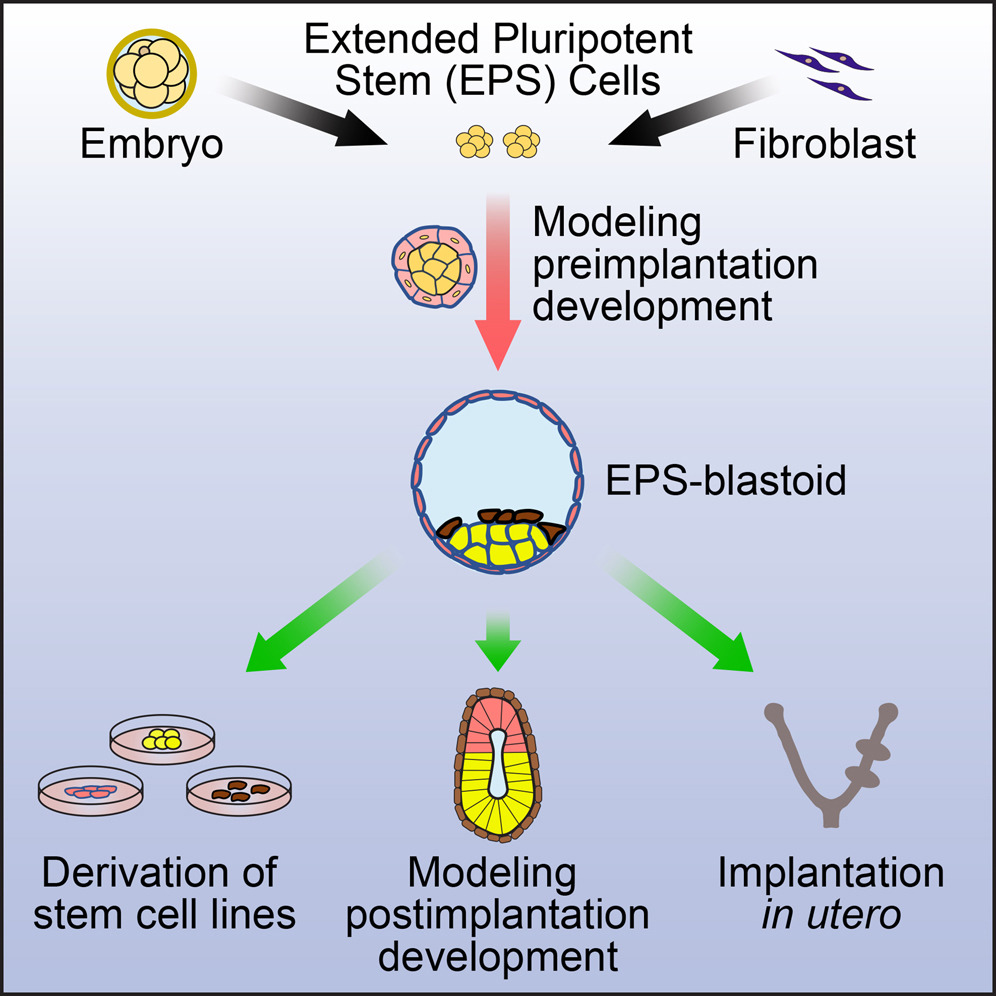

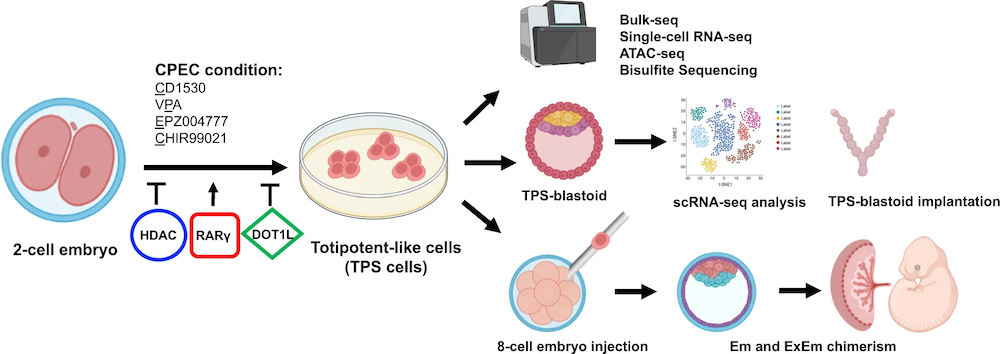
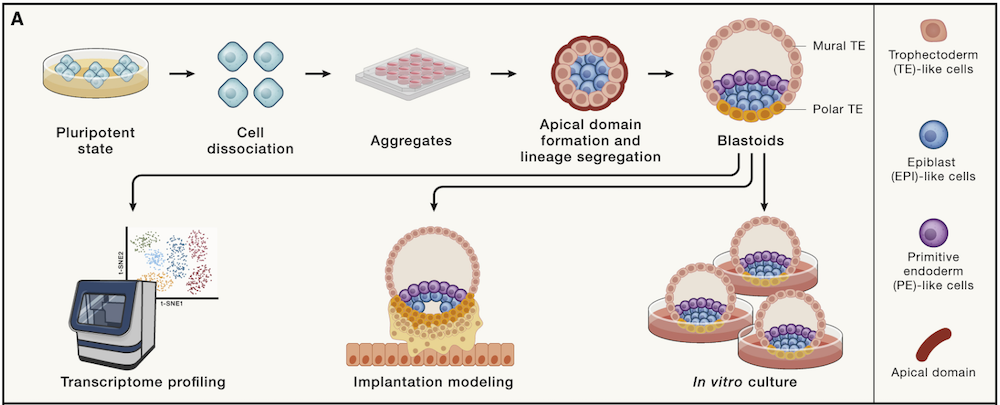
All
2025
2024

2022

2021


2019
2018

2017

2016

2014

2010

Team
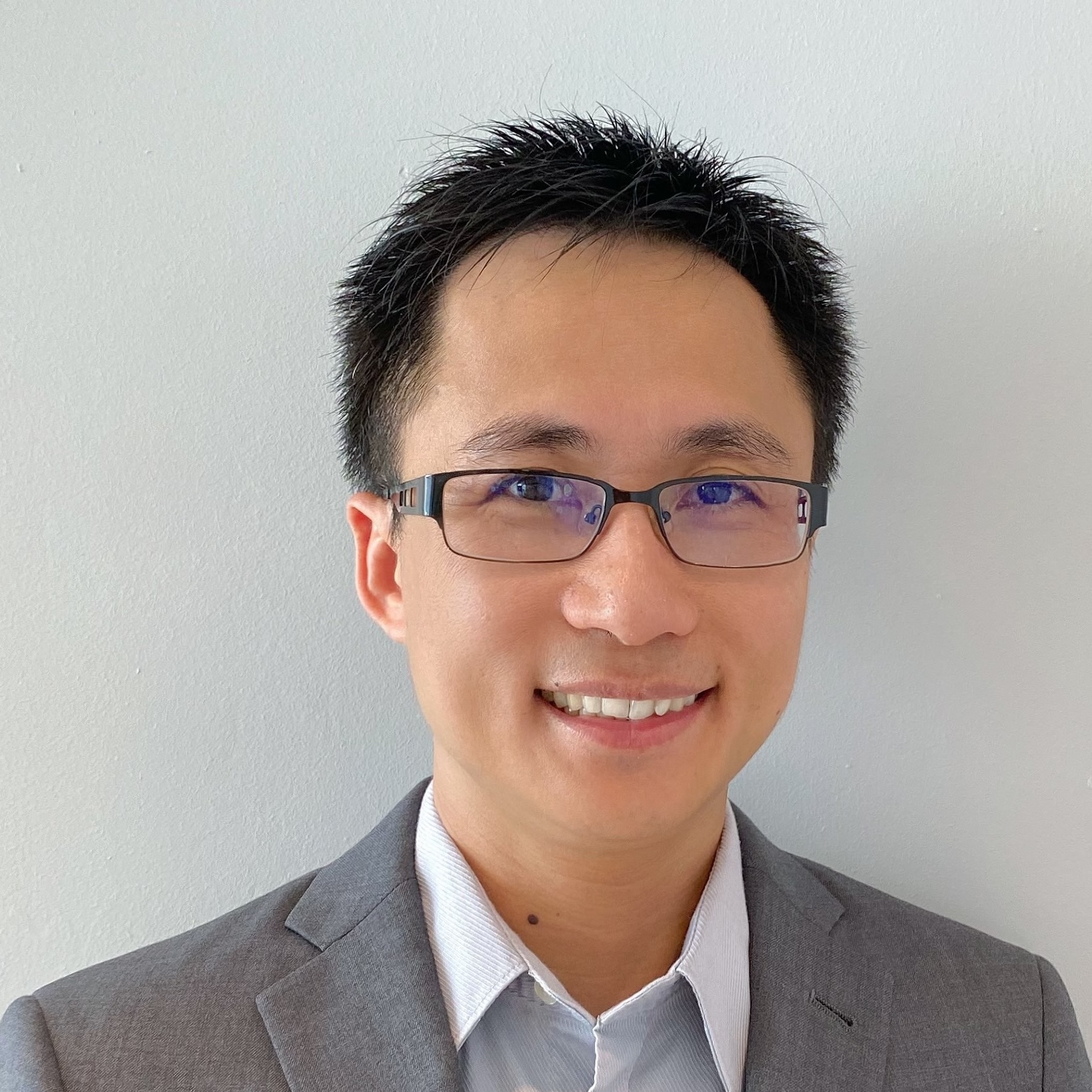
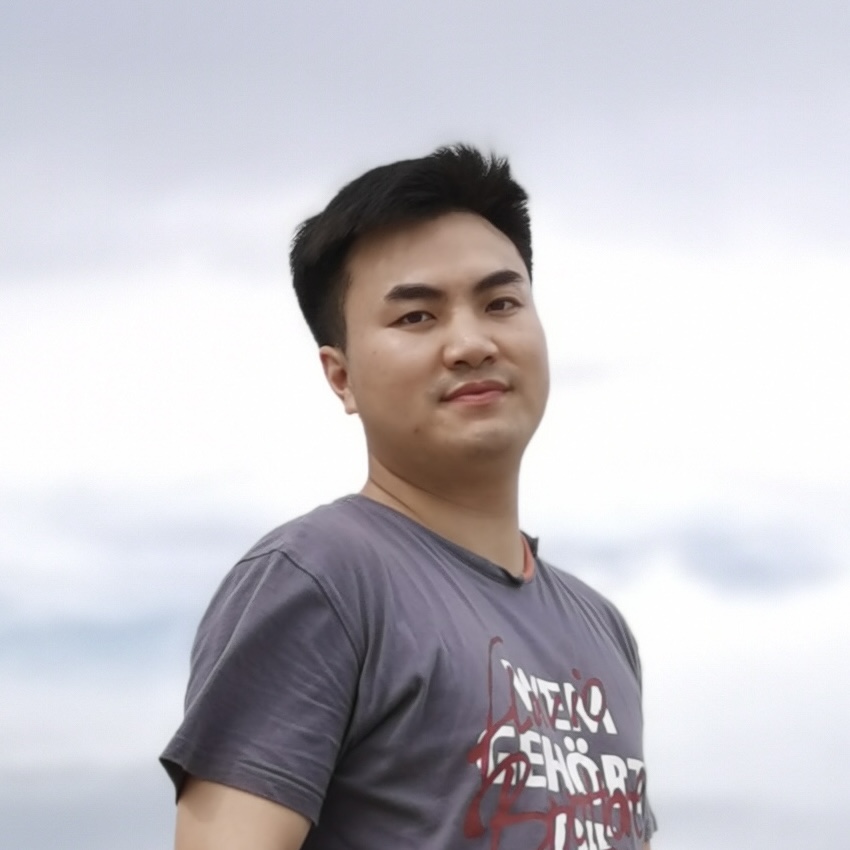
Current Members

Alumni
Gallery
Li lab over the years
Facilities
Join Us
We welcome postdocs, PhD candidates, students, and collaborators to reach out to explore opportunities and work together to solve biomedical problems.
Opportunities
For postdoctoral applicants
If you hold a PhD degree and are eager to further your research career with us, we invite you to submit your cover letter, CV, and a complete list of publications to our team. Experiences in cell culture, gene editing, organoid culture, and stem cell bioengineering are preferred but not required.
For PhD candidates
We accept graduate students who have already been admitted to the NUS School of Medicine Graduate Programme. If your research interests align with ours, we encourage you to reach out with your CV, academic transcripts, and a brief statement of research interests.
For undergrad and master students
We welcome undergraduate and master’s students from NUS and beyond who are interested in research opportunities. Our lab accepts students from a variety of programs, including the UROPS, Summer UROPS and Summer URAPS for Exchange Students, FYP, and Master Research Project. We encourage you to reach out and explore opportunities to join our team.
For collaborators
We welcome collaboration with researchers, clinicians, and industry partners who share our interest in synthetic biology, developmental biology, and bioengineering. If you’re interested in working together, please feel free to reach out. We’re excited to build meaningful partnerships across institutions and disciplines.
Contact
We welcome anyone interested in our research to reach out and explore opportunities to join us or collaborate. You can find contact details on this page.
Directions
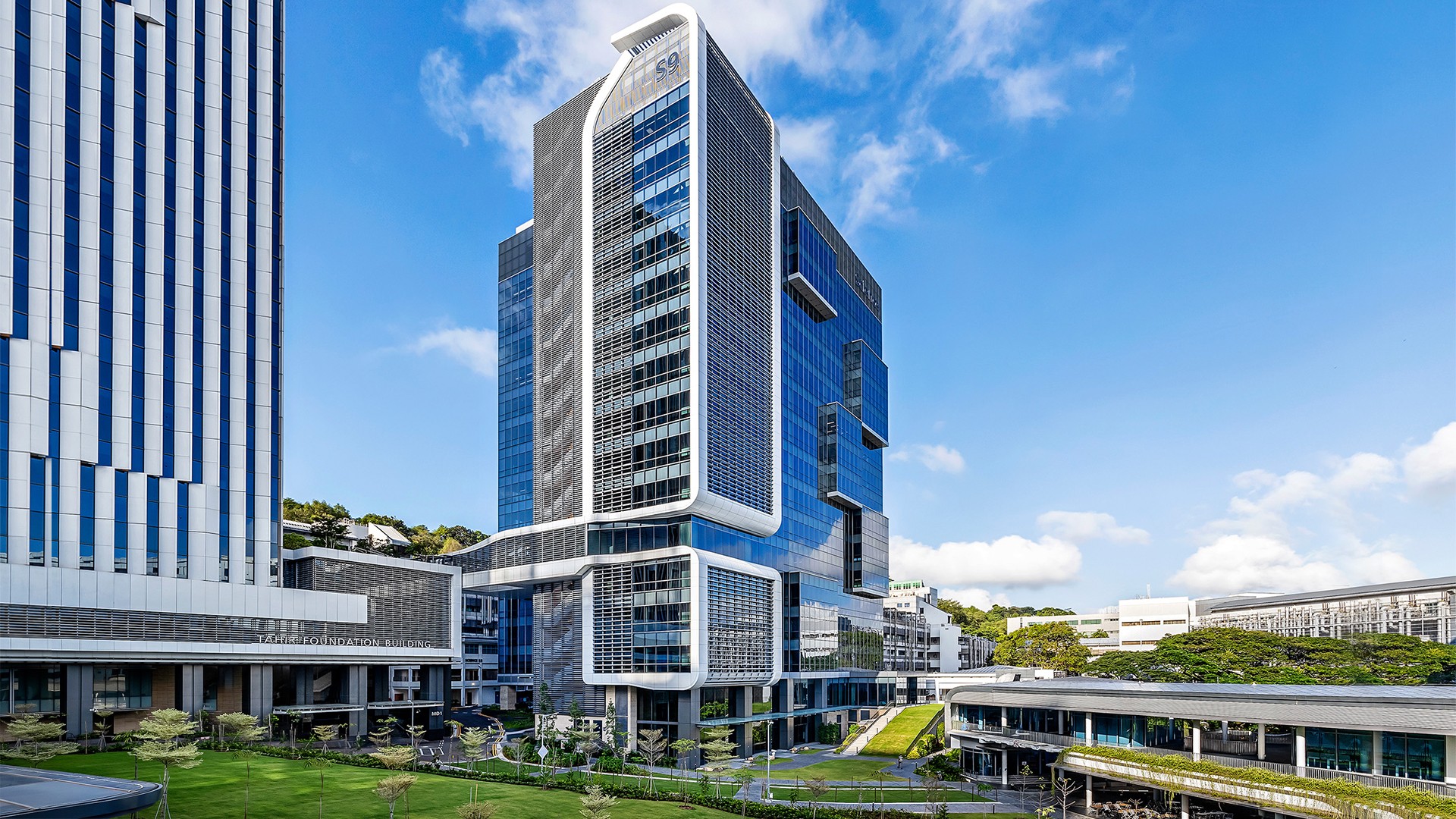
The lab is located on the NUS Kent Ridge campus on the 10th floor of the S9 Wet Science Building.