Research
Lorem ipsum dolor sit amet, consectetur adipiscing elit, sed do eiusmod tempor incididunt ut labore et dolore magna aliqua. Ut enim ad minim veniam, quis nostrud exercitation ullamco laboris nisi ut aliquip ex ea commodo consequat.
Brief introduction
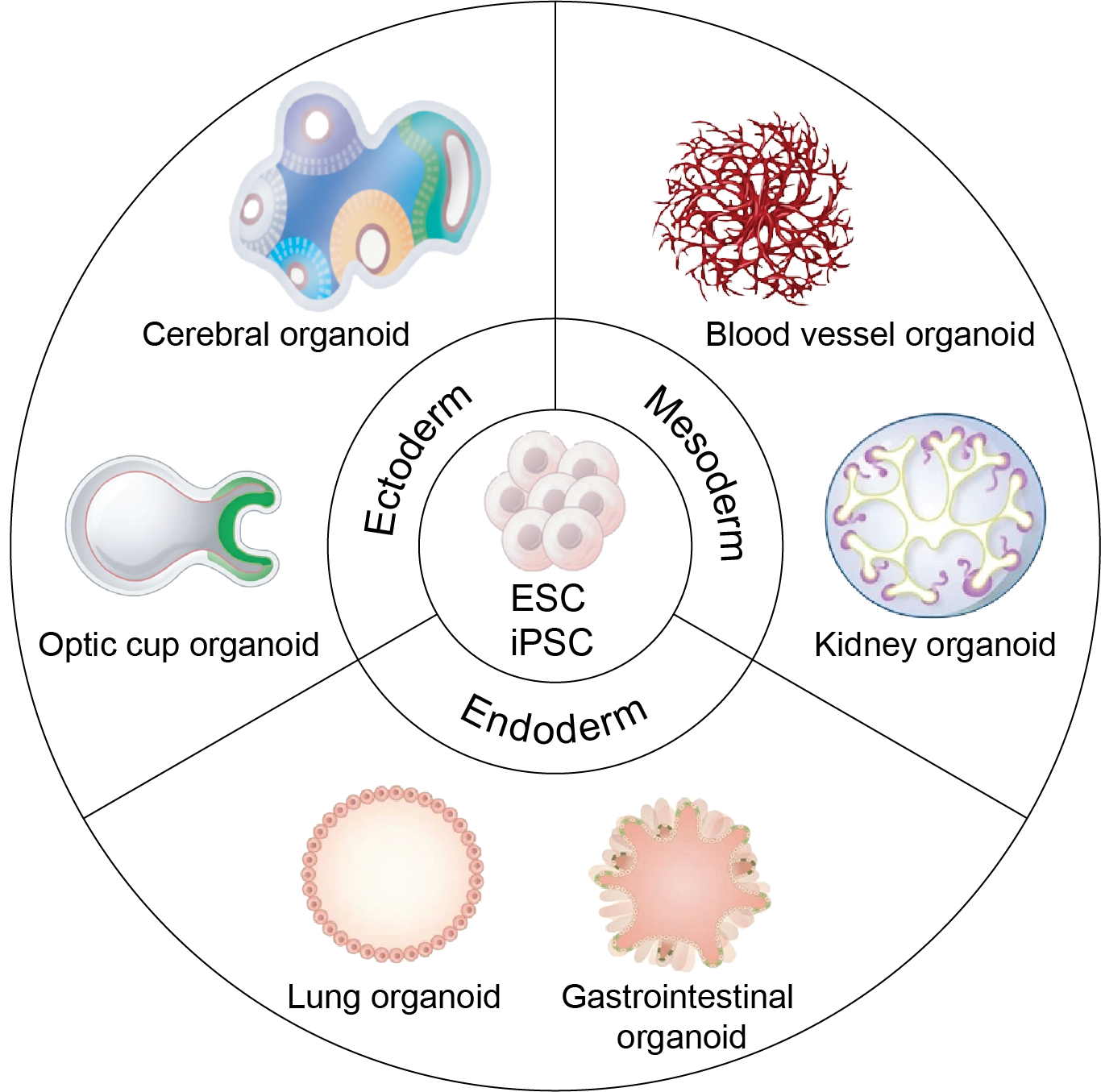
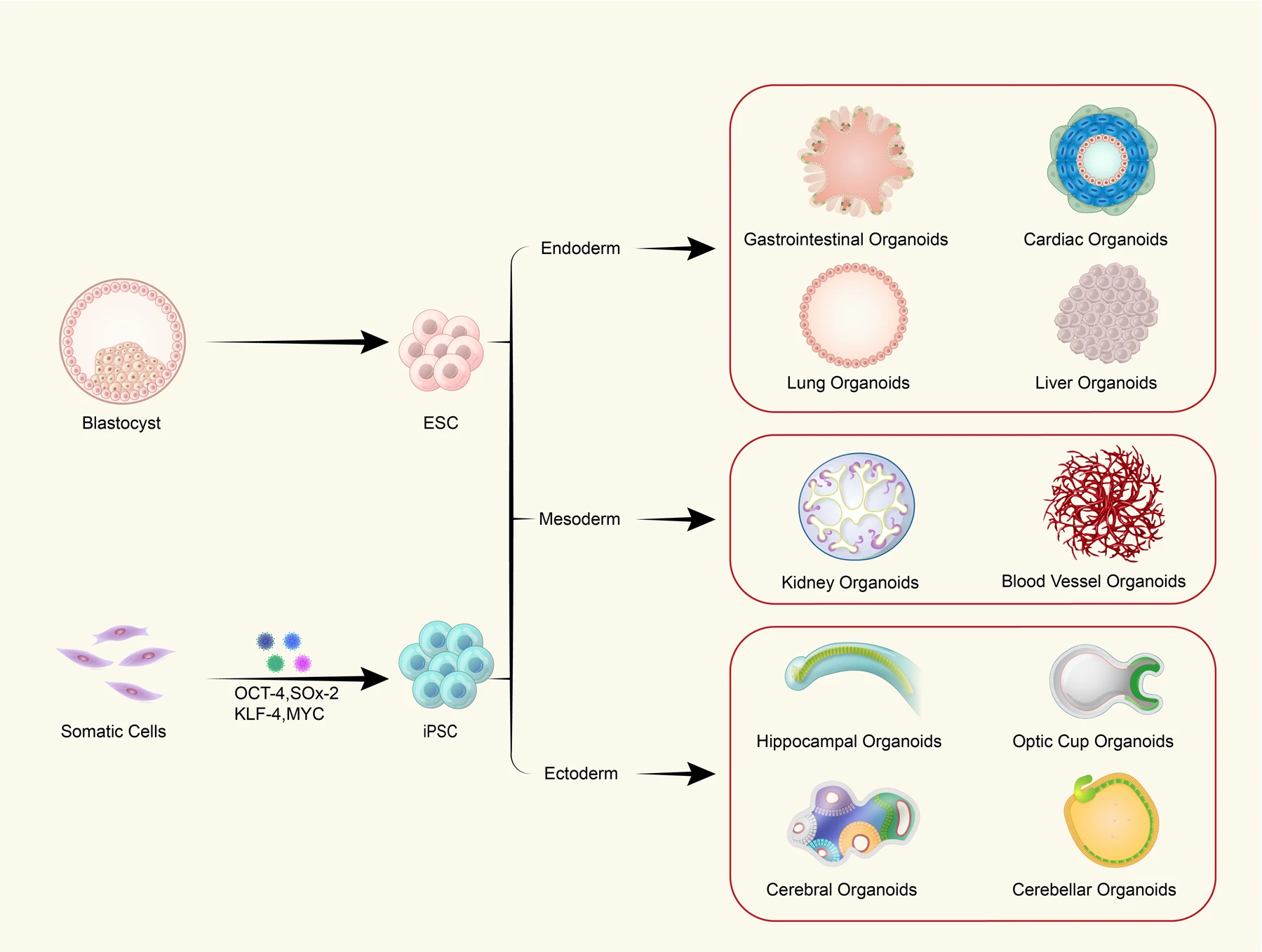
**stem cell and orgnanoids**
The vision of regenerative medicine starts with reprogramming patient’s own cells to induced pluripotent stem cells (iPSCs) that can then be differentiated into any cell type of interest. these cells can be undergoing differntiation in vitro to model human development in 3D organoids format and used for disease modeling and drug screening. Alternatively, these cells can be directly differentiated into specific cell types for cell therapy applications. Our lab is interested in understanding the molecular mechanisms that govern cell fate decisions during human development and leveraging this knowledge to improve the efficiency and safety of cell reprogramming and differentiation processes for regenerative medicine applications.
Projects

Tackle the heterogeneity of stem cell derived beta cells for cell therapy
Stem cell derived beta cell holds great promise for treating type 1 diabetes. However, current differentiation protocols produce a heterogeneous population of cells, including off-target cell types that may compromise the safety and efficacy of cell therapy. Our lab is working on understanding the molecular mechanisms that govern beta cell differentiation and using this knowledge to improve the efficiency and purity of stem cell-derived beta cells for cell therapy applications.
Featured
This project explores the use of partial cellular reprogramming as a therapeutic strategy to reverse fibrosis, a condition characterized by excessive extracellular matrix deposition and tissue scarring. By transiently activating reprogramming factors, the approach aims to rejuvenate fibrotic cells without erasing their identity, promoting tissue repair while avoiding tumorigenic risks associated with full reprogramming. A critical challenge lies in the precise regulation and delivery of these factors—both spatially and temporally—to ensure controlled reprogramming that is effective yet safe. The team is developing tunable gene circuits and targeted delivery systems to achieve this fine control, enabling localized and reversible modulation of cell states in fibrotic tissues.
Lorem ipsum dolor sit amet, consectetur adipiscing elit, sed do eiusmod tempor incididunt ut labore et dolore magna aliqua.
More
Lorem ipsum dolor sit amet, consectetur adipiscing elit, sed do eiusmod tempor incididunt ut labore et dolore magna aliqua.
Lorem ipsum dolor sit amet, consectetur adipiscing elit, sed do eiusmod tempor incididunt ut labore et dolore magna aliqua.
Lorem ipsum dolor sit amet, consectetur adipiscing elit, sed do eiusmod tempor incididunt ut labore et dolore magna aliqua.